
Turning the Fuel Transition into Commercial Advantage
The energy transition is rewriting the economics of shipping, ports and heavy industry. LNG, biofuels, methanol, ammonia, hydrogen, synthetic fuels, and electrification are competing for investment, but no pathway has yet to secure an undisputed lead. Each carries different implications for vessel design, production cost, emissions, infrastructure, safety, availability and regulatory compliance.
Blue Water Strategy helps shipowners, ports, terminal operators, fuel producers, traders, industrial companies, financiers and investors make commercially grounded decisions in this uncertain market. We connect the full value chain—from feedstock and fuel production to trading, storage, bunkering, vessel demand, industrial offtake and regulation.
Choosing a Fuel Pathway That Fits the Business
There is no universally winning maritime fuel. The most viable option depends on vessel type, trading pattern, asset age, engine technology, cargo profile, access to infrastructure and exposure to different regulatory regimes.
A solution that works for a short-sea operator may be commercially unsuitable for an ocean-going fleet. A fuel that appears competitive at the production site may become uneconomic after conversion, transport, storage and bunkering costs are included. Nominal availability also means little if dependable volumes cannot be delivered at the ports where vessels need them.
Blue Water Strategy compares fuel pathways against each client’s actual operations. We assess total cost of ownership, lifecycle emissions, fuel availability, infrastructure requirements, technology maturity, safety, compliance exposure and potential residual value.
We cut through policy enthusiasm and supplier claims to show where LNG, biofuels, methanol, ammonia, hydrogen, synthetic fuels or electrification can create value—and where they could become expensive strategic liabilities.
Turning Supply and Offtake into Bankable Projects
Producers need dependable buyers before committing capital. Shipowners require competitive and predictable fuel availability before ordering vessels. Ports and terminals need sufficient throughput before developing storage and bunkering infrastructure. Financiers need confidence that all parts of the value chain will remain commercially viable.
We advise on fuel sourcing, demand aggregation, commercial partnerships, market entry and the design of supply and offtake arrangements. We assess pricing mechanisms, indexation, volume flexibility, credit exposure, delivery obligations, regulatory value and the allocation of technology and market risk.
Our focus is not merely on signing an agreement. It is on building a commercially resilient structure that can withstand volatility, regulatory change and delays elsewhere in the value chain—and give investors sufficient confidence to proceed.
Connecting Production, Ports and Vessels
Storage capacity, terminal configuration, bunker vessels, safety systems, permitting, feedstock access and last-mile delivery can determine whether a fuel is commercially available. Even where production exists, infrastructure bottlenecks can increase costs, restrict volumes and leave dual-fuel vessels operating predominantly on conventional fuels.
Blue Water Strategy assesses the complete infrastructure chain across ports and shipping corridors. We identify where fuel can be sourced, transported, stored and delivered at the required volume, quality and price—and where critical gaps remain.
For ports and terminals, we examine potential demand, competing hubs, cargo owners’ commitments, industrial synergies, and opportunities to develop integrated energy and bunkering clusters. For shipowners and investors, we test whether infrastructure promises are sufficiently credible to support fleet and capital decisions.
Creating New Commercial Positions for Ports and Energy Hubs
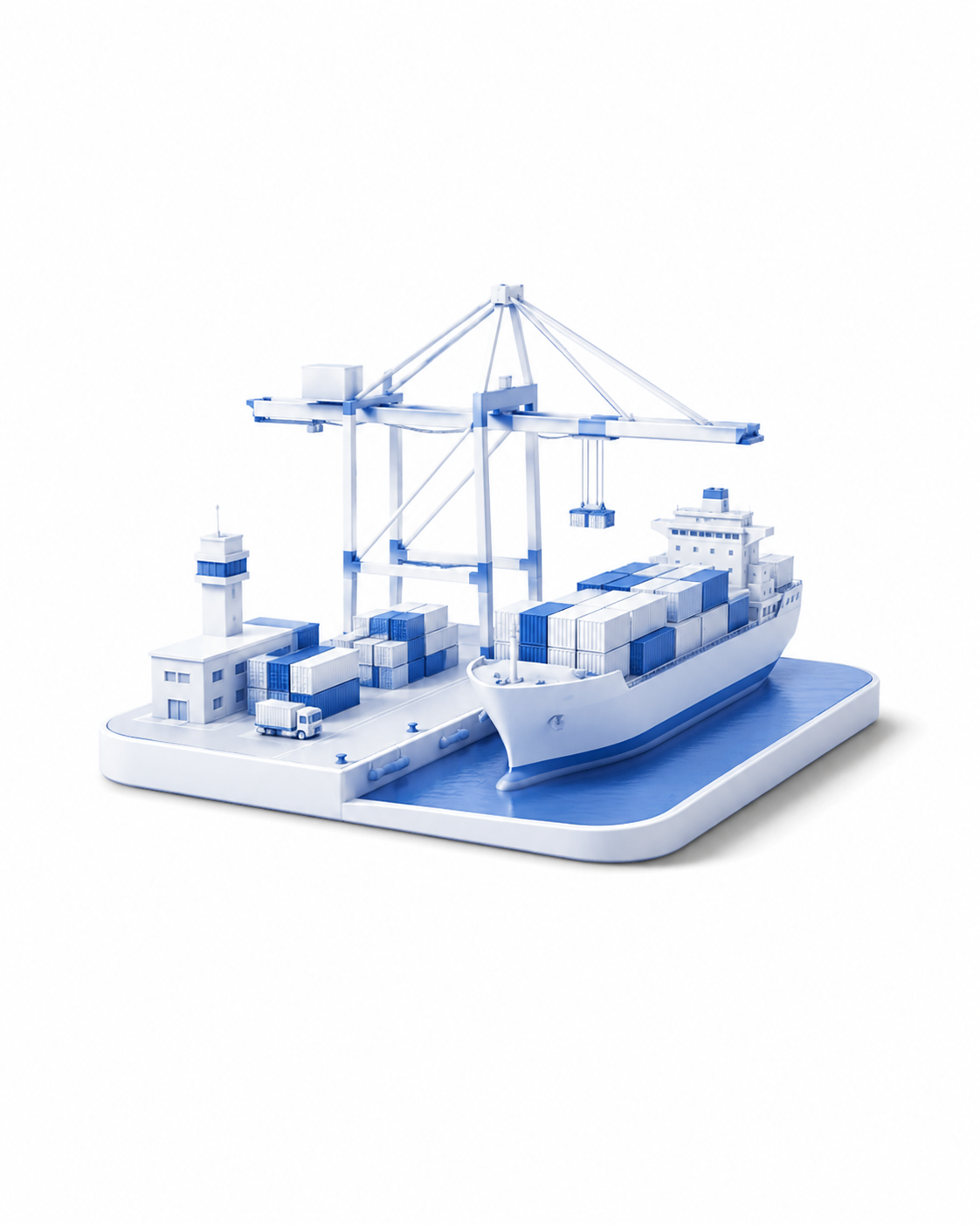
The fuel transition will redistribute value across the maritime economy. Ports that can combine imports, production, storage, bunkering, and industrial demand can capture new cargo flows and secure a strategic position in emerging energy supply chains.
Blue Water Strategy helps port authorities, terminal operators and energy companies identify where they can credibly compete. We assess market potential, map prospective customers and partners, benchmark rival hubs and develop commercially focused market-entry and investment strategies.
The central question is not simply which infrastructure could be built. It is which position in the future fuel value chain can be owned, defended and monetized.
Navigating Regulation Before It Reshapes the Market
FuelEU Maritime, the EU Emissions Trading System, International Maritime Organization measures and emerging national emissions regimes are changing vessel economics, chartering decisions and fuel demand. Carbon intensity is becoming a commercial variable that affects operating costs, asset values, financing, and customer access.
Blue Water Strategy quantifies regulatory exposure across vessels, routes and fuel scenarios. We assess the potential cost of emissions, compare compliance pathways and identify where pooling, banking, fuel switching, retrofits or operational measures may reduce risk.
We also examine how regulatory costs and benefits should be reflected in charter parties, freight agreements, fuel contracts and investment decisions. This allows clients to move beyond minimum compliance and use regulatory preparedness to strengthen their competitive position.
Protecting Investments Against Geopolitical and Supply Risk
Alternative fuels will not develop in a politically neutral market. Feedstocks, renewable electricity, critical minerals, production technology and export infrastructure are concentrated in particular countries and regions. New dependencies may replace existing exposure to oil and gas rather than eliminate it.
Blue Water Strategy integrates geopolitical, energy-market and maritime analysis into every fuel strategy. We stress-test supply corridors, producer exposure, chokepoint risk and reliance on individual jurisdictions or technologies.
From Transition Ambition to Investable Strategy
Blue Water Strategy brings shipping, ports, fuels, energy markets, infrastructure, finance, and geopolitics into a single commercial framework. We help clients decide where to invest, which partnerships to build and how to move from transition ambition to bankable execution—before the market chooses the winners for them.