

Catch up with our latest insights on Substack.
Real-time analysis and strategic briefings on maritime, energy, geopolitics, and investment — subscribe to get every new briefing straight to your inbox.
Read on Substack
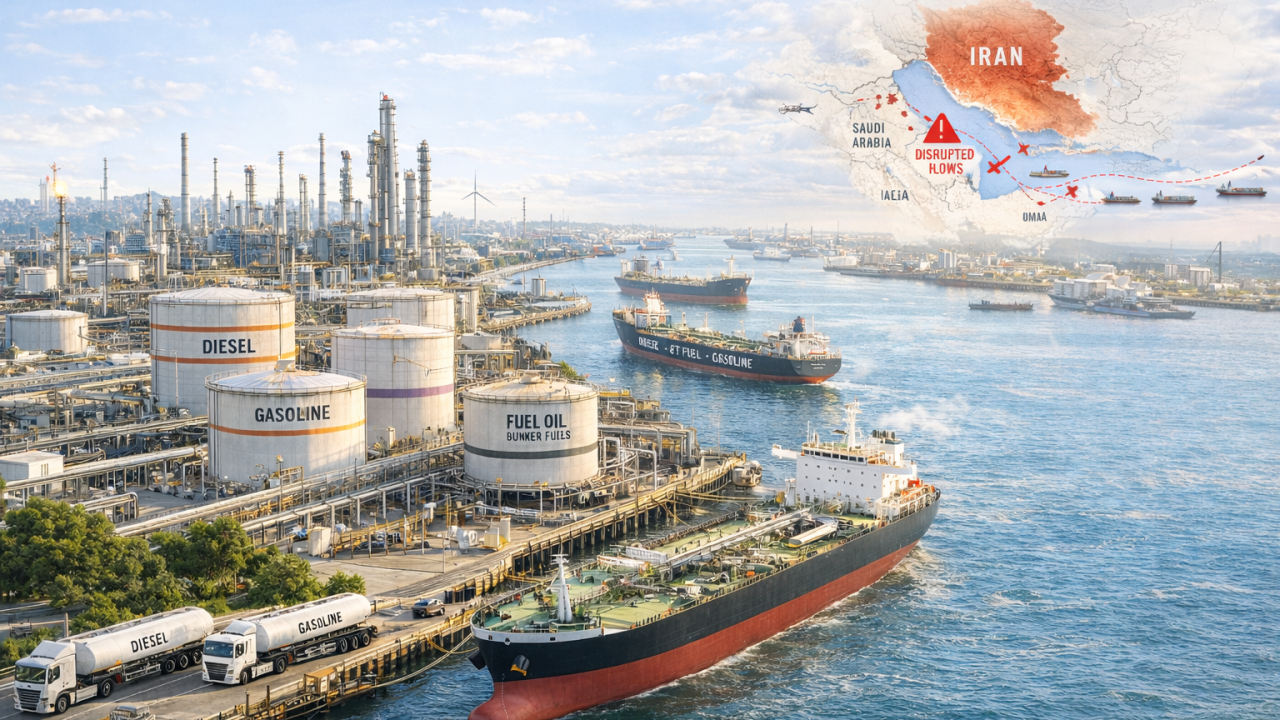
The ARA Fuel Shock: How Hormuz Has Rewired Europe’s Energy Arteries
The Hormuz crisis has cut Europe's fuel hub off from Middle Eastern diesel and jet fuel flows, turning ARA from a resilient trading node into a constrained system where physical connectivity, not supply, sets prices.
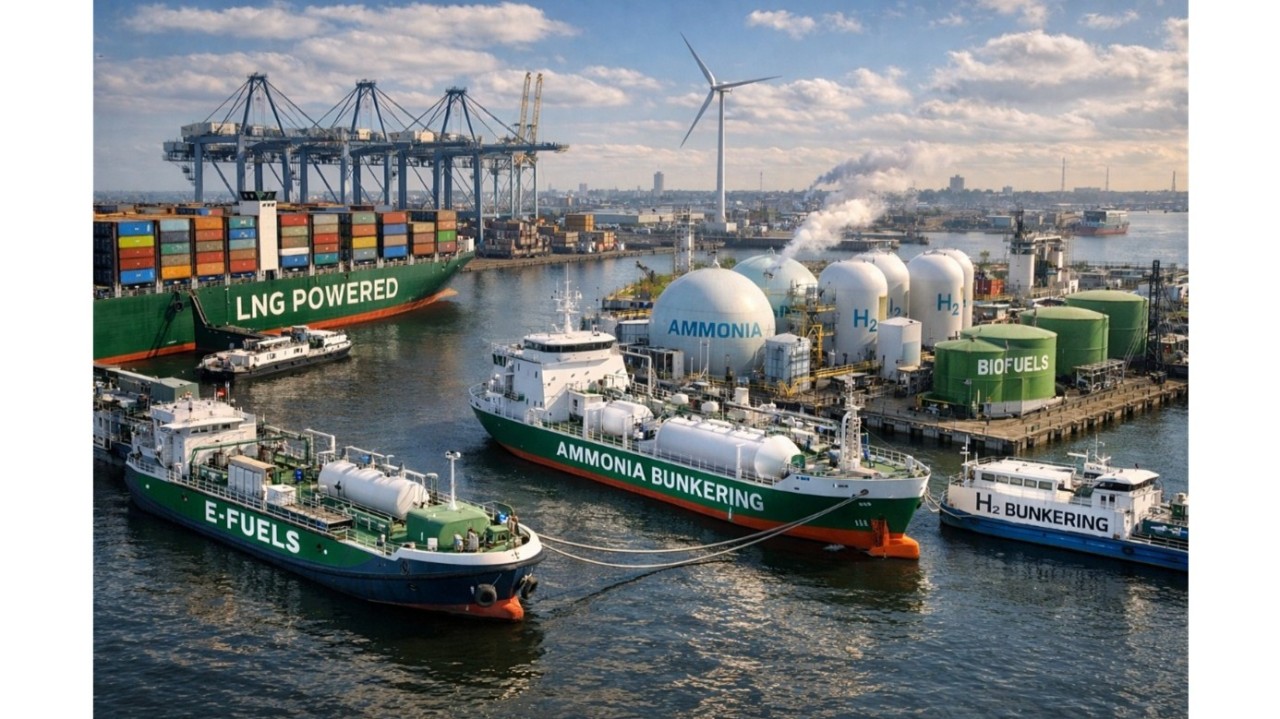
Europe’s Missing Bunker: The Investment Gap That’s Stalling Shipping’s Net-Zero Push
Europe's shipping decarbonization mandates are outrunning physical reality: with fuel-choice uncertainty and a fraction of needed port investment committed, bunkering infrastructure has become the bottleneck of the net-zero transition.
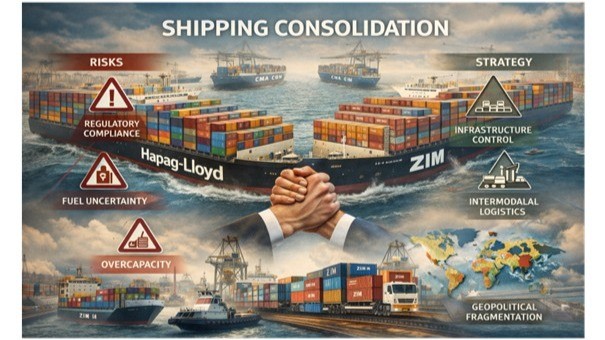
Shipping’s Consolidation Wave Is No Longer A Choice But The Price of Staying Compliant, Bankable and Global
Rising compliance, capital and geopolitical costs have turned container shipping consolidation from strategy into survival, concentrating the industry into integrated giants able to fund decarbonization and withstand state scrutiny.
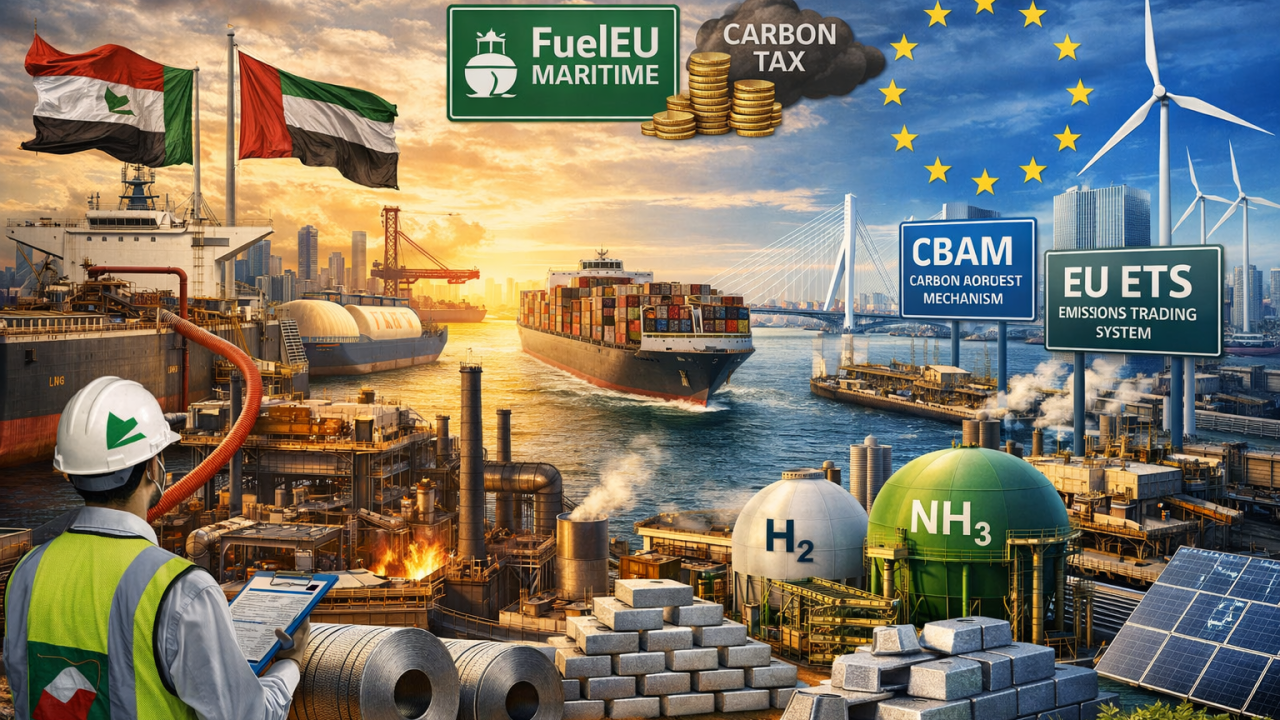
Europe’s Carbon Wall Is Reshaping Middle East Trade
CBAM, the EU ETS and FuelEU Maritime are forming a carbon wall around Europe's single market, forcing Gulf exporters to absorb costs, decarbonize production or redirect trade, and making carbon intensity a competitive variable.
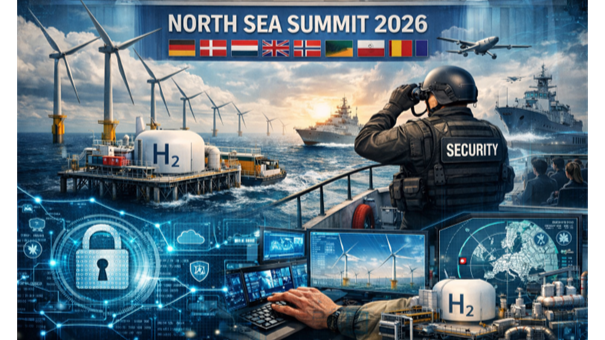
Powering the North Sea: Europe’s Energy Engine Comes With a Security Bill
The North Sea's shift from hydrocarbons to offshore wind and hydrogen makes it Europe's power engine, but digitalized, geopolitically exposed infrastructure carries a security bill of cyber risk, protection and long-term governance.
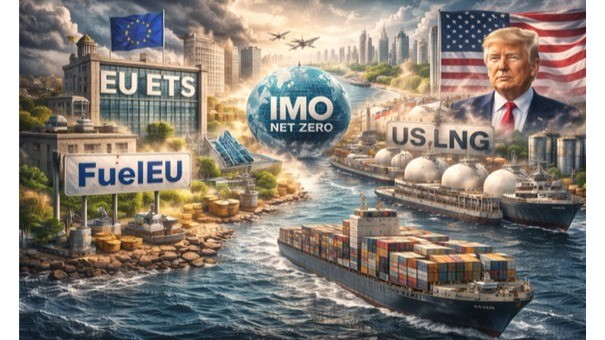
The IMO Net-Zero Deal Is Not Dying: Europe Is Splitting It, and America Is Pricing the Wreckage
The IMO's Net-Zero Framework is fracturing along geopolitical lines, with Mediterranean EU states drifting toward Washington's LNG-first agenda. Only a unified European position can keep a credible global carbon regime for shipping alive.
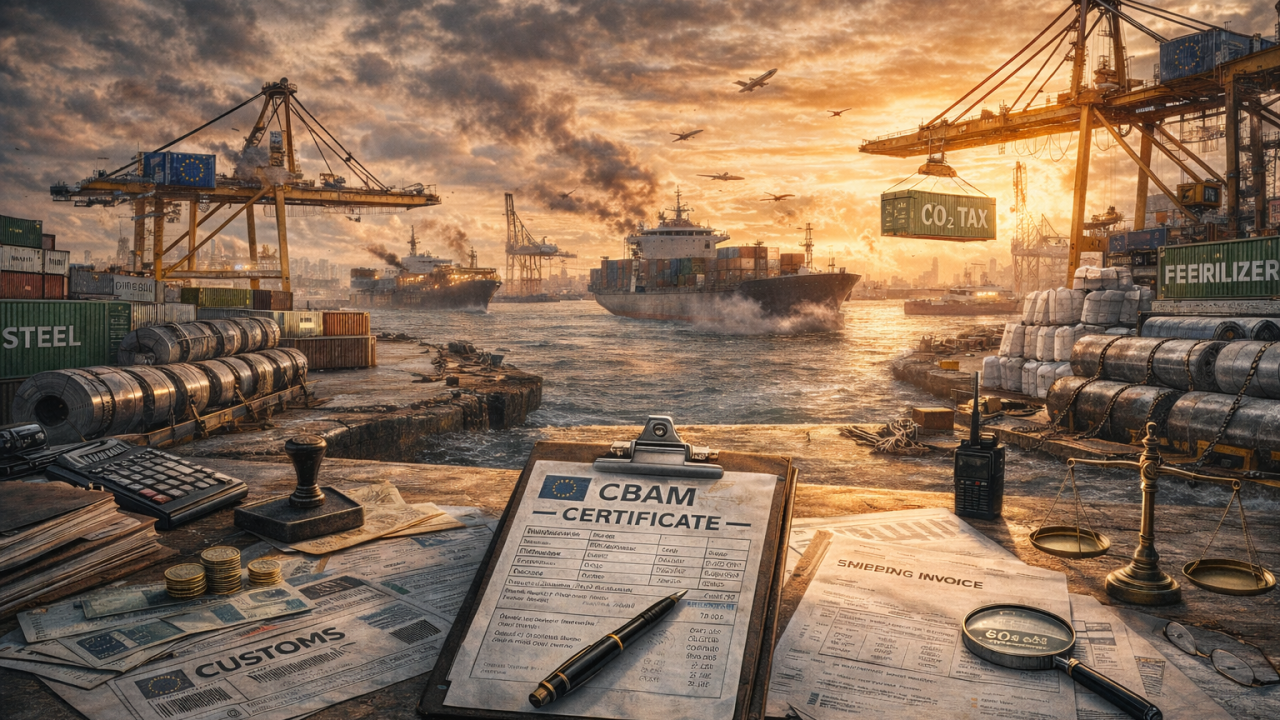
CBAM Comes to the Quay: Why Europe's Carbon Border Will Rewire Trade
As CBAM moves from reporting to enforcement in 2026, Europe's carbon border becomes a data regime that pulls shippers, ports, and traders into compliance, rewarding those who secure verified emissions data upstream.
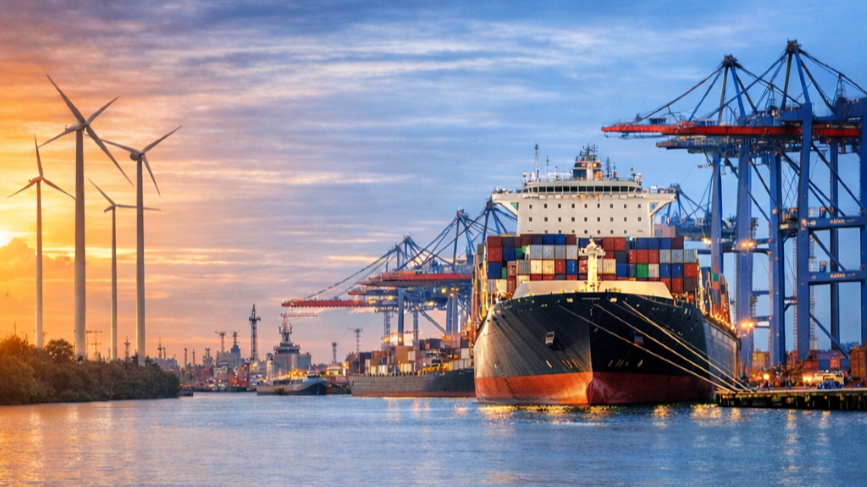
How 2025 Reshaped Shipping's Energy Map: Why 2026-2027 Will Decide
In 2025 maritime decarbonisation shifted from theory to enforced optimisation, with no single fuel winning. The 2026-2027 window will decide whether Europe scales alternative fuel infrastructure or fragments the transition.

The Humanoid Frontier: Shipyards, Security & Europe's Next Battle
Humanoid robots suit shipyards built around human workers, but importing foreign systems carries sovereignty and cyber risks. Europe needs its own maritime robotics stack, anchored in a demand-led network of ports and yards.
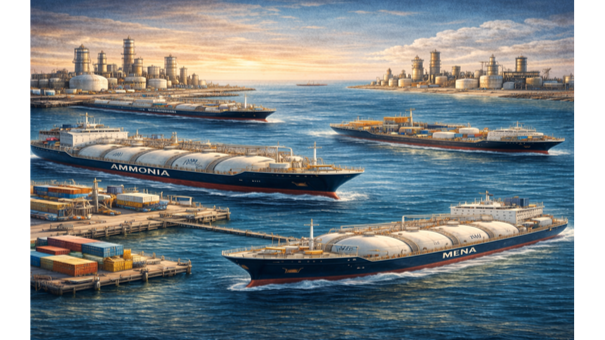
Ammonia's Practical Test: Weighing Europe's Supply Options
The cheapest ammonia molecule at the plant gate is not the cheapest delivered energy carrier. Once shipping, storage, and port logistics are priced in, MENA suppliers outcompete transatlantic imports for Europe's staged build-out.
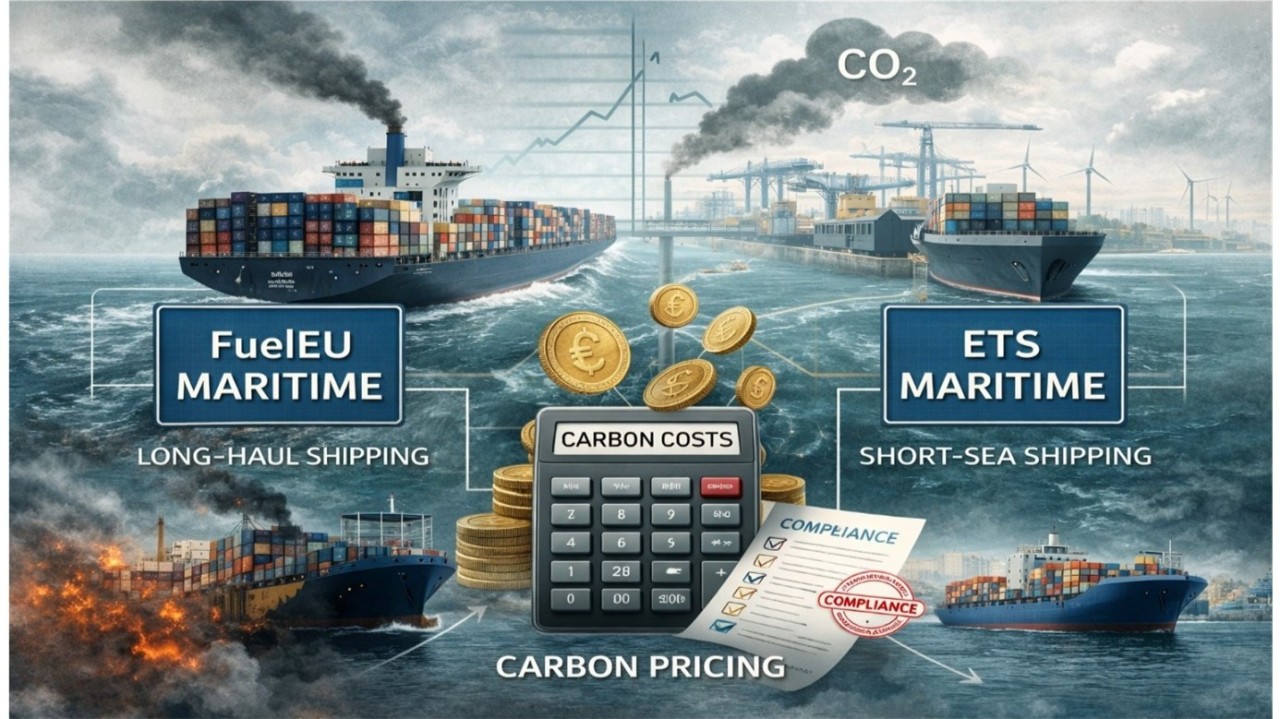
The Carbon Bill Comes Due: Why 2026 Will Reprice Shipping
In 2026 the EU ETS expands from 40% to 70% of shipping emissions and adds methane and nitrous oxide, turning carbon from an absorbed cost into explicit surcharges that reshuffle trade patterns and squeeze short-sea operators.
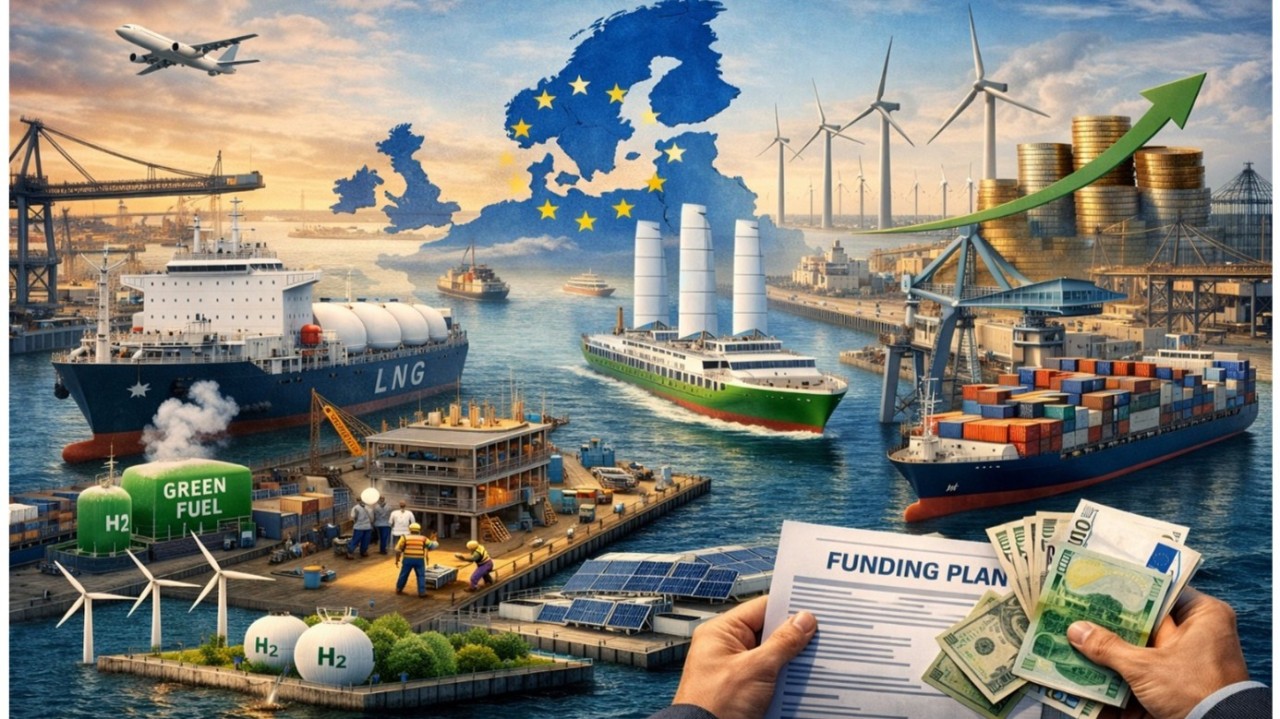
Europe's Maritime Decarbonisation Trap: How to Close the Funding Gap
Europe has legislated an ambitious maritime energy transition without the financial architecture to fund it. Closing the gap means treating fleet renewal as industrial policy, backed by blended finance and ETS revenues.